
Moving to Durango? Outdoor Activities That Make It One of Colorado’s Best Places to Live
Durango earns its reputation through proximity. The town sits at 6,512 feet in the beautiful Animas River Valley, tucked between the San Juan Mountains to the north and the high desert plateau to the south. This geography creates year-round access to outdoor activities that would require multi-hour drives in most Colorado towns. Ski resorts, wilderness trails, whitewater rapids, and singletrack mountain biking are just some of the many outdoor activities Durango offers, and all exist within a 45-minute radius of downtown.
Winter home? Summer home? Why not both? For prospective second-home owners weighing where to invest, Durango offers something most resort towns can’t: genuine diversity of terrain and season. Durango does not lock you into a single activity or a narrow window of ideal weather. The elevation makes temperatures truly seasonal, the latitude delivers sunshine, and the landscape shifts dramatically depending on which direction you drive from town.
This range of seasonal splendor is what keeps part-time, second homeowners coming back season after season, year after year, and is why custom-built homes in neighborhoods like the Animas Valley (15 minutes north of downtown), Edgemont Highlands (12 minutes northeast of downtown with San Juan views), and Three Springs (15 minutes southeast) hold their value even when broader real estate markets fluctuate. At Agave, we design custom built homes in the most desirable Durango neighborhoods with an eye to how you’ll use them across the seasons.
Winter: Skiing Without the I-70 Chaos
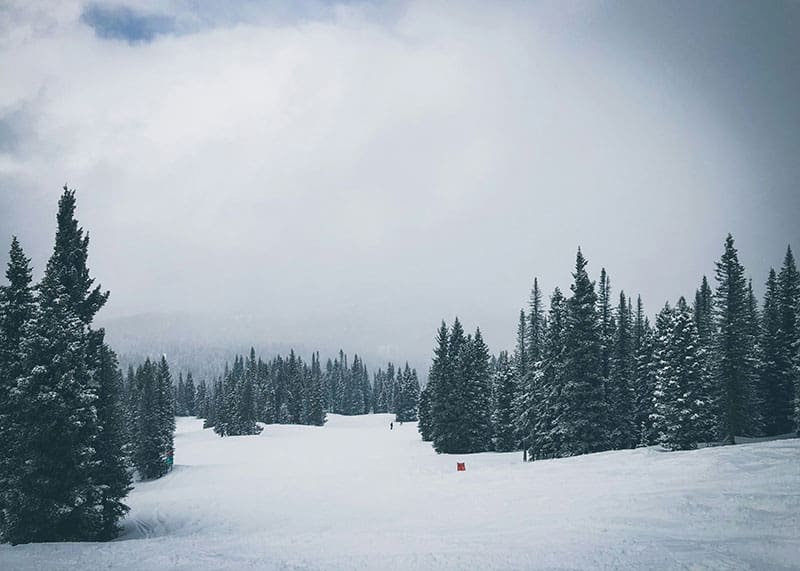
Purgatory Resort sits 25 miles north of Durango along Highway 550. The drive from Edgemont Highlands takes about 20 minutes; from downtown, you’re looking at 35 to 40 minutes depending on conditions. Because Purgatory draws primarily from regional skiers rather than Front Range weekend warriors, lift lines stay manageable even on powder days. The resort offers 1,605 acres of skiable terrain with a 2,029-foot vertical drop. This may feel modest compared to Vail or Aspen, but ask the locals. We feel it’s plenty for intermediate and advanced skiers to find challenging runs.
The true magic of Purgatory is its snow quality and crowd control. The resort averages 260 inches of snowfall annually, and because it faces northwest, the snow holds well into spring. Homeowners in Three Springs and Falls Creek Ranch can be on the mountain for the first chair without the pre-dawn alarm that I-70 skiing requires. By the time Front Range resorts are gridlocked with Denver traffic, you’re finishing your second run and debating whether to do another lap or pause for a relaxing lunch.
What this looks like when you own here: Winter second-home owners design their routines around easy mountain access. Agave builds custom homes with mudrooms sized for family gear, a fireplace worth gathering around at the end of a long day on the slopes, and south-facing windows that flood living spaces with passive solar warmth. These aren’t luxury add-ons; they’re practical responses to how ski season feels in the lived experience of a Durango local.
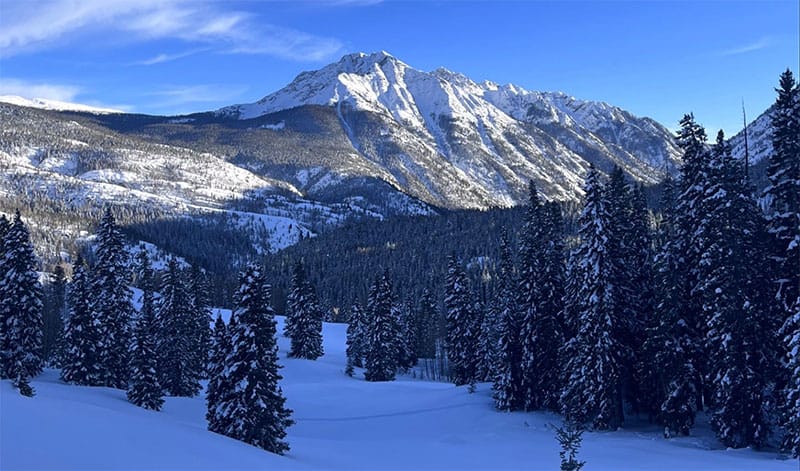
For backcountry skiers, the San Juan Mountains offer some of Colorado’s most accessible and varied terrain. Coal Bank Pass, Molas Pass, and Red Mountain Pass all provide trailhead access within an hour of town. Avalanche risk is real and requires proper training and equipment, but the reward is untracked powder in terrain that ranges from mellow bowls to steep couloirs. Many winter second-home owners in Durango maintain routines that blend resort skiing with occasional backcountry missions when conditions align.
Cross-country skiers and snowshoers have options closer to home. The Durango Nordic Center maintains friendly groomed trails, and Haviland Lake (30 minutes north) offers quieter terrain for those who prefer solitude over speed. Families with younger kids can hit the tubing hill at Purgatory or introduce them to skiing on the resort’s beginner terrain without the intimidation factor of mega-resorts.
Spring and Summer: Trails, Rivers, and High-Altitude Riding
River & Water Activities
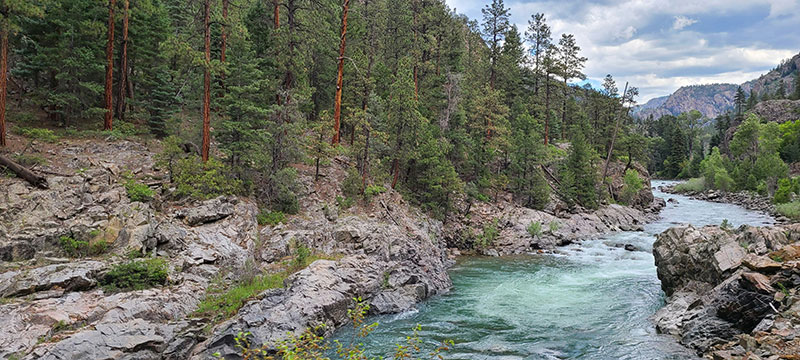
The Animas River defines Durango’s summer identity. Rafting season runs from late April through July, with commercial outfitters operating daily trips from mellow Class II floats to technical Class IV runs. The river runs directly through downtown, which means you can shuttle upriver and float back to town in a few hours. Neighborhoods along the Animas corridor, particularly properties in Animas Valley, offer river access and walkability to downtown Durango. It’s the setup that turns a casual Saturday into an impromptu paddle session followed by lunch at Carver Brewing or Durango Beer and Ice, on Main Avenue. When Agave designs homes in these riverside neighborhoods, we prioritize covered outdoor spaces, oversized storage for kayaks and rafts, and outdoor showers that handle post-river cleanup without tracking mud through the house.
Hiking & Alpine Access
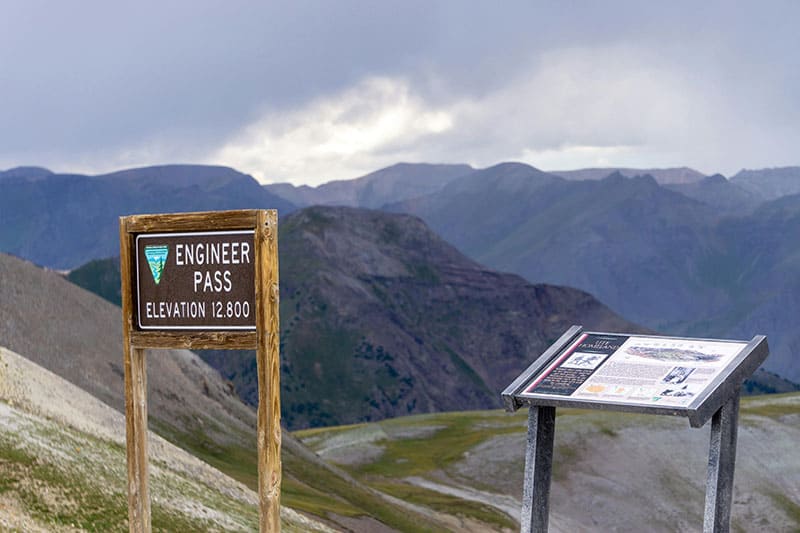
Hiking in the San Juan National Forest begins as soon as snowpack recedes from lower-elevation trails, usually by late May. The Colorado Trail passes through Durango, offering options for day hikes or multi-day backpacking trips. Junction Creek Trail provides close-to-town access, 15 minutes from Edgemont Highlands, with moderate elevation gain. For longer outings, the Engineer Mountain Trail and Crater Lake Trail (both about 45 minutes north) deliver alpine scenery without technical climbing.
What this looks like when you own here: In summer, homeowners build their weeks around early-morning trail access and afternoon river time. Agave custom homes in Edgemont Highlands and Three Springs take advantage of this rhythm with covered patios for post-hike coffee, dog-wash stations near side entries, and window placements that frame the peaks you’ll be hiking later that day.
Road & Mountain Biking Culture
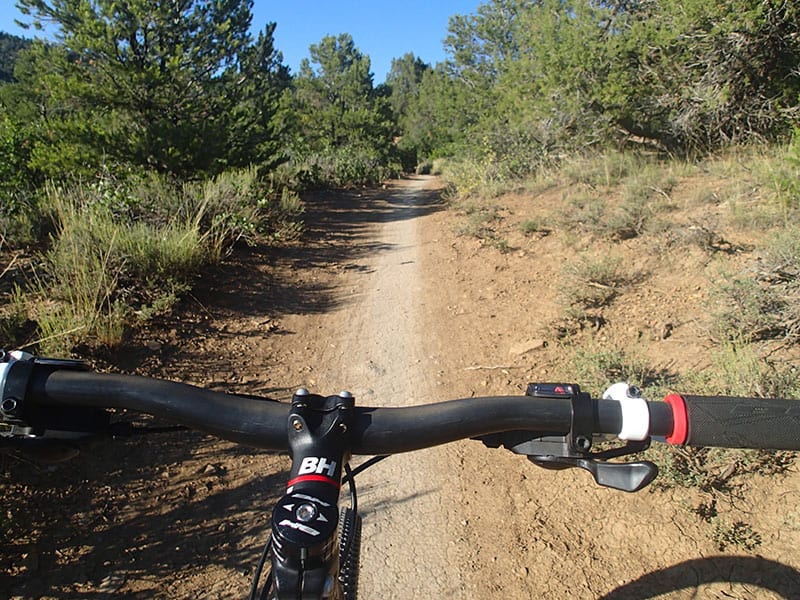
Mountain biking is where Durango’s outdoor culture hits its stride. The Horse Gulch Trail System sits just minutes from downtown and offers over 30 miles of singletrack ranging from beginner-friendly loops to technical descents that challenge even expert riders. From Falls Creek Ranch or Three Springs, you can load your bike and be on dirt within 20 minutes of downtown.
Road cyclists climb Highway 550 toward Silverton for dramatic alpine scenery, or stay in the Animas River valley for flatter recovery rides or family outings. Because Durango sits at a moderate elevation, riders acclimate faster than they would in higher towns.
Agave homeowners who love to bike often request dedicated bike storage with space for tool benches, garage layouts that accommodate multiple bikes neatly and functionally, and exterior setups for quick post-ride cleanup. These details define how smoothly a bike-focused lifestyle functions.
Fall: Quiet Trails and Colorful Aspens
September and October bring Durango’s most underrated season. Summer crowds disperse after Labor Day, but trail conditions remain excellent through mid-October. Daytime temperatures settle into the 60s and 70s, and the aspen groves along higher-elevation trails shift from green to gold.
This is when second-home owners who skipped the summer heat return for a quieter experience. The Animas River Trail, a paved greenway that runs along the river through town, sees fewer tourists and more locals walking dogs or running errands by bike. You can ride from downtown to Animas Valley without dodging rental bikes or tour groups. Restaurants downtown have open tables without reservations. Trailhead parking lots that required 6 a.m. arrivals in July are half-empty by 9 a.m. in October.
Fall also marks the start of hunting season, which brings a different type of visitor to the San Juans. Elk hunting draws serious attention in these mountains, and many longtime Durango residents schedule their fall around archery or rifle seasons. For hikers unfamiliar with hunting protocols, it’s worth checking unit maps and wearing orange if you plan to explore national forest land during September and October.
Why Second-Home Owners Choose Agave Homes in Durango Over Other Colorado Markets
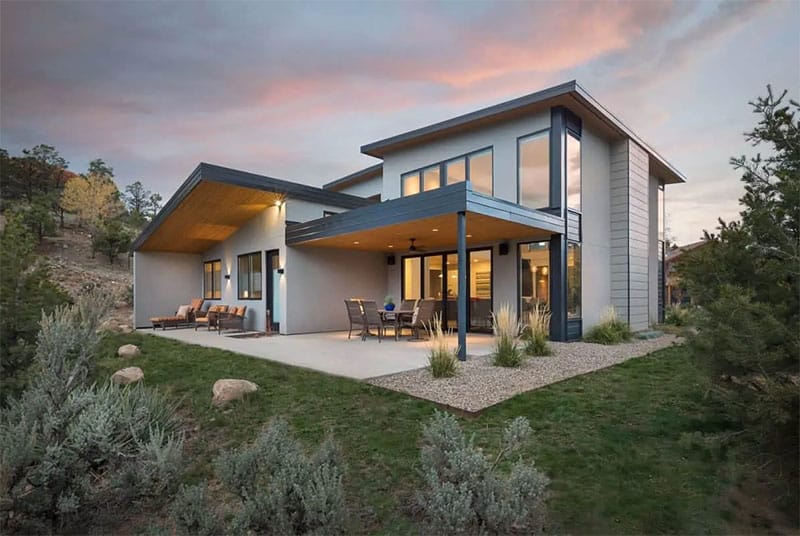
Real estate decisions in mountain towns often hinge on convenience and access to life’s daily routines, not just amenities. Durango-La Plata County Airport (20 minutes from downtown) offers direct flights to Dallas, Denver, Phoenix, and seasonal service to other hubs. The flight from Denver takes 75 minutes. Compare that to driving over mountain passes to reach Crested Butte, Telluride, or Steamboat Springs, and the convenience becomes clear.
Neighborhoods like Animas Valley and Edgemont Highlands are 10 to 15 minutes from downtown Durango and the airport, with views into the San Juans and easy access to trails. Three Springs and Falls Creek Ranch offer larger lots and more separation from town while maintaining reasonable drive times to schools, groceries, and skiing: 25 minutes to Purgatory, 15 minutes to downtown. These areas attract buyers who want a custom home designed for their specific use, whether that’s ski season retreats, summer headquarters, or year-round remote work setups.
Durango’s outdoor culture runs deeper than seasonal recreational tourism. The town supports a year-round population of guides, athletes, builders, and long-term residents who depend on the landscape for both income and identity. This creates a community that values trail maintenance, thoughtful land use, and community. Second-home owners who engage with that culture tend to find Durango more rewarding than resort towns where the local economy revolves entirely around visitor services.
The Durango second home market often reflects specific outdoor priorities. Ski-focused buyers want mudrooms with space to stash boots and coats, heated floors, and southern exposure to maximize passive solar gain during winter. Owning a summer second home in Durango means prioritizing covered outdoor spaces, creek or river access, and designs that capture cross-breezes during July and August.
At Agave Durango, we start every custom home conversation by asking how you’ll live in the space. Do you need ski and board storage for eight people or kayak racks for two? Will you host extended family during holidays, or do you prefer a smaller footprint that’s easier to maintain when you’re not in town? These details shape everything from floor plans to finish selections, and getting them right early prevents expensive adjustments later. Our process aligns design decisions with your lifestyle priorities before construction begins.
You can browse recent projects in our custom homes portfolio to see how different homeowners have merged their desired style with the landscape. A home designed for how you’ll use it across seasons and over many years will perform better and hold value far longer than one built to a generic mountain aesthetic. If you’re considering a second home in Durango, we’d welcome the conversation. Schedule a consultation with us to start exploring what’s possible on your timeline, your budget, and your vision for how you want to live in this magical mountain town.