
Understanding Durango’s Migration Boom
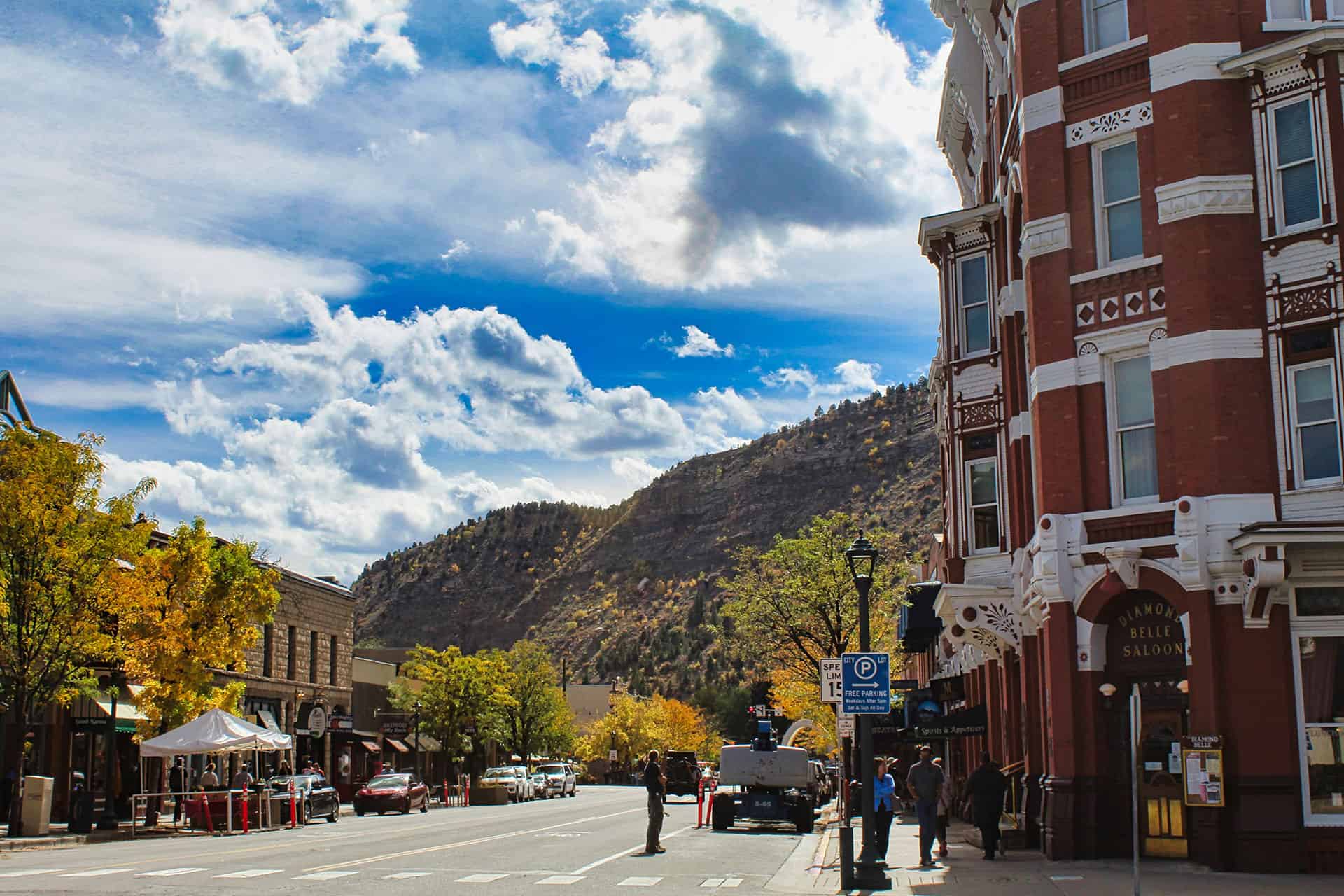
The moving trucks arrive year-round in Durango in a migration trend that has been steadily rising. In the past two years, though, Durango’s newcomers are now a mix of retirees and ski enthusiasts looking for a seasonal escape, as well as software engineers from San Francisco, marketing managers from Chicago, and remote-working families from the East Coast. In other words, people whose jobs used to require them to live in expensive, crowded metros. Given the freedom to choose to work remotely in a mountain haven, they set their sights on Durango.
Durango’s population has grown 17.3 percent over the past 14 years, according to the U.S. Census Bureau’s Population Estimates Program, but the character of that growth has changed. What was once a destination town that people visited or retired to is becoming a true community where people build careers, raise families, and stay for decades.
The Remote Work Revolution as Catalyst
When COVID forced offices to close in 2020, few expected the shift to stick around. Since then, some industries have called workers back to the office, while others have embraced remote work more permanently. Technology, insurance, telecommunications, professional services, and media and entertainment have become the biggest adopters of long-term remote and hybrid arrangements. In Colorado specifically, hybrid arrangements have exploded: 43 percent of professional workplaces now operate on hybrid schedules, up from just 20 percent in 2023.
This impacts Durango in a palpable way. For decades, the town’s economy has relied on tourism, seasonal work, and a steady trickle of retirees. Remote work has fundamentally changed the makeup of our town. Nowadays, a software developer earning a Silicon Valley salary can afford a Durango mortgage. A consultant can run client calls from a coffee shop downtown and spend afternoons mountain biking. Remote professionals can move to the mountains without sacrificing income or career trajectory.
The employment data tells the story. The job market in Durango, Colorado is strong: between 2023 and 2024, Durango employment grew 1.9 percent, from 10.9k to 11.1k employees. Management occupations and sales-related roles, roles that skew toward remote-capable work, became the largest job categories. About 14.1 percent of Durango workers now work from home, matching the national average.
Who is Moving to Durango, and Why Now?
The census data paints a portrait of the typical newcomer. The median household income in Durango is $78,602, nearly identical to the national median. The median age is 38.3 years, older than typical metropolitan zones but younger than retirement destinations. About 58 percent of adults have bachelor’s degrees, well above the national average of 35 percent.
Durango is enjoying an amenity migration boom. Amenity migration is choosing where to live based on lifestyle and environment rather than where a job is. It’s happening across the Mountain West and smaller towns throughout Colorado, and our experience in Durango offers a particularly clear example of the trend.
Durango’s population grew 4.4 percent between 2019 and 2024, according to the U.S. Census Bureau. That is dramatic compared to national trends: the U.S. population grew just 1.02 percent during the same period. Colorado grew faster than the nation, but smaller mountain towns like Durango grew at a faster rate than Colorado.
Research from both state demography offices and private relocation platforms shows that remote workers fleeing high-cost metro areas are clustering in mountain towns with specific characteristics: reliable internet, outdoor recreation access, cultural amenities, and, critically, housing that is affordable compared to coastal cities. Durango checks all four boxes.
Where are these newcomers coming from? Regional trends show that Colorado has been absorbing domestic residents from both coasts, with an influx from California and the Northeast as well as Texas. Within Colorado, mountain towns are pulling from cities like Denver, Boulder, and Colorado Springs, where housing costs have risen. Nationally, the Mountain West broadly has become a destination for remote professionals who once felt geographically trapped by their jobs. The average commute time in Durango is 14.3 minutes, neither the short commutes of small towns nor the hour-plus slog of major metros. It reflects a community of people who either work in town or work from home and can access outdoor recreation and cultural amenities quickly.
The Housing Market: From Frenzy to Stability
The current wave of relocation to Durango is more sustainable than the panic-buying that characterized the pandemic era. The Durango Herald reported that the countywide median home price in 2025 was $695,000, up 2.8 percent from 2024. That’s meaningful appreciation, but nothing like the 15-20 percent annual jumps the market saw in 2021-2022. Meanwhile, inventory has surged. La Plata County began 2025 with 50+ more active listings than 2024, and housing grew nearly 25 percent year-over-year. Days on market normalized too: 104 days average in 2025, compared to the frantic weeks-to-days pace of just two years prior.
In-town Durango homes saw an 8.5 percent decline to $847,500, the first price drop since 2017. Rural properties appreciated more substantially, with country homes reaching $930,000, up $85,000 from 2024. This split reveals market segmentation as buyers become more selective about what they’re paying for.
The connecting thread is that Durango’s housing market is stabilizing. There is still appreciation and demand, but it’s no longer outrageous. Buyers have time to make decisions, and sellers can’t automatically assume bidding wars. This market adjustment is inviting for newcomers and will make Durango a viable option for luxury homebuyers who want to take advantage of the fabulous recreation options of the San Juan Mountains and the Animas River.
Second Homes: A Core Durango Segment
Durango’s appeal extends beyond permanent residences. According to our local Prosperity Officer Mike French, approximately 12 percent of households within the city of Durango are vacant, attributed to people who live seasonally, own second homes, and operate short-term vacation rentals.
Areas near Purgatory Resort, including Twilight Peaks, Engineer Village, and Two Dogs, are especially popular with seasonal residents. Vacation homes in Durango are filled with potential. These properties cater to ski enthusiasts in winter and outdoor enthusiasts year-round. The four-season climate supports lots of seasonal activities that make Durango an outdoor paradise. Skiing and snowshoeing in winter, rafting and mountain biking in summer, and hikes, bike rides, fishing trips, kayaking, or hot springs in the transitional seasons – outdoor activities in Durango, Colorado, are world-class year-round.
Many buyers enjoy their seasonal properties as both personal getaways and income-generating investments. Vacation rental ownership has become increasingly common, though it comes with realistic costs. Property management fees typically run 20-35 percent of gross rental revenue in mountain markets. HOA fees in resort communities can range from $500 to $2,000+ per month, particularly in managed communities.
This dual-use trend of personal retreats that also generate income represents a key economic pattern for Durango. It’s both tourism and relocation, the best of both worlds.
Durango’s Mountain Community Reality: Quirks Worth Understanding
Durango’s appeal is undeniable, but to enjoy the beauty of life in the San Juans, residents adapt to their rugged conditions. Mountain towns operate differently from cities, and newcomers need to understand the trade-offs. The alpine difference is precisely what attracts people here. At Agave, we think it is smart to come in understanding fully what you’re choosing in a new community and building accordingly.
A new seasonal rhythm:
Mountain towns operate on seasonal cycles that urban areas have forgotten. Winter brings snow, which is both challenging and beautiful. Summer brings community festivals and outdoor adventure. This rhythm builds authentic connection as neighbors support each other and celebrate together. Well-designed homes with backup power systems, efficient heating, and solid construction don’t just survive mountain weather. They become gathering places where families and friends want to spend time and entertain. An Agave home designed for Durango’s climate means you’re never fighting the mountain. You’re living with it.
Luxury living at elevation:
It’s true that some services cost more at altitude. Durango’s cost of living should reflect its benefits. Energy-efficient homes in Colorado, particularly those with passive solar design, proper insulation, radiant heating, and solar-ready infrastructure, dramatically reduce utility costs compared to conventionally built mountain homes. Over a decade, these savings compound. A luxury home buys you efficiency that pays for itself over time.
Life in a year-round destination community:
Locally, tourism drives Durango’s economy. That means Durango has infrastructure, services, and cultural events that many mountain towns lack. The tourism industry supports year-round restaurants, shops, and outdoor businesses. It creates opportunity and makes Durango a jewel in the San Juans, filled with amenities and options. Growing professional services and outdoor industries are diversifying that economy. A community with multiple economic drivers is ever more resilient.
A community with character and values:
Long-term Durango residents are notoriously friendly, welcoming, and care about preserving community character. They are thoughtful about how Durango grows and what its growth means for the town. In our years of homebuilding, Agave has built a reputation for crafting well-designed homes that fit the landscape and respect neighborhood character. We build homes that enhance neighborhoods rather than overwhelming them.
San Juan Mountains Custom Home Building
Not all luxury home builders in Durango understand how to design and build for the quirks of mountain living. High-altitude construction differs from conventional building, and rugged weather demands different systems. We have a unique permitting environment, seasonal considerations, and infrastructure realities that call for experience and foresight.
At Agave, we’ve spent years learning what works in this specific landscape. We understand the electrical challenges that come with modern codes. We know how snow loads impact design. We’ve navigated Durango’s permitting environment, worked with local utilities, and built homes that allow people to thrive in mountain conditions.
We start with a basic conversation around how you want to live in Durango. You may want to relocate permanently and bring your family along or set up a vacation property. Your priorities might include privacy and mountain views with river access, or easy access to Main Avenue. We’ve helped dozens of newcomers navigate their arrival to Durango through thoughtful design, realistic budgeting, and deep knowledge of what building in Durango truly requires.
If Durango is calling you, let’s talk. Reach out to Agave and explore your possibilities. Browse our custom homes portfolio to see how we’ve brought dozens of visions to life in this special mountain landscape.